


The Morocco Travel Calendar: Everything International Tourists Must Know Before Planning Their Trip

By Abdellatif El Kherchi, Certified Private Guide

A Note Before We Begin
I have been guiding visitors through Morocco for over forty years, and the one thing I have learned is that the travelers who experience this country most deeply are the ones who arrive knowing what to expect. Not because Morocco is complicated, but because it is alive. It breathes according to its own rhythm, shaped by three distinct calendars running at the same time, each one bringing its own celebrations, its own energy, and its own particular way of transforming daily life around you.
This guide is my way of sharing that knowledge with you before you even pack your bags. It walks you through every national holiday and religious occasion in the Moroccan year, tells you what each one looks and feels like on the ground, how it may affect your plans, and how to approach it in a way that turns every date on the calendar into something meaningful rather than something unexpected.
Have a question about timing your visit, or ready to start planning? Reach out directly and I will get back to you personally.
WhatsApp or call: +212 661 240 446
Email: latifguide@gmail.com
Book a tour: privateguidemarrakech.com

Understanding Morocco's Three Calendars
Before we go through the year date by date, you need to understand something that most travel articles skip entirely: Morocco runs on three calendars simultaneously, and you need to understand all three before any of this makes sense.
The Gregorian Calendar is the international calendar you already know. Morocco uses it for all official administrative, business, and international affairs. Every fixed national holiday in this article follows the Gregorian calendar. These dates never move.
The Hijri Calendar is the Islamic lunar calendar. It is approximately 354 days long, which means it is about 11 days shorter than the Gregorian year. The consequence of this is critical for travelers: every Islamic religious holiday drifts backward through the Gregorian calendar by roughly ten to eleven days each year. Ramadan, Eid Al-Fitr, Eid Al-Adha, and the Islamic New Year have no fixed date in the international calendar. They move. The Morocco you visit in summer this year is not the same Morocco as the summer five years ago. A friend who visited Marrakech in March and told you "Ramadan was not during my trip" is describing their March, not yours.
The Amazigh Calendar is the ancient Berber solar calendar. Its New Year, called Yennayer, falls on January 14 in the Gregorian calendar. Following a historic Royal decree in 2023, His Majesty King Mohammed VI declared Yennayer an official paid national holiday, the first time the Amazigh New Year has been formally recognized at this level in Moroccan history.
Now let us walk through the year.
The Official National Holidays of Morocco
All dates and holiday names confirmed from the Kingdom of Morocco's Official Portal, maroc.ma. These are fixed Gregorian dates that apply every year without change.
January 1 — New Year's Day

What is closed: All government offices, banks, and public schools. The vast majority of administrative services are closed for the full day.
What is open: Hotels, riads, most restaurants, tourist sites including the Bahia Palace, Badi Palace, Saadian Tombs, and the Majorelle Garden all operate on or close to their normal schedules. The Jemaa El Fna square is as lively as ever. Most medina shops open by late morning.
Transportation: Trains, buses, and domestic flights run on modified but largely functional schedules. Slightly fewer departures than a normal working day. If you are traveling between cities on January 1, book your ticket a few days in advance.
Crowds and prices: January 1 is one of the lighter tourist days of the year. The New Year's Eve crowd has largely checked out or settled in. Hotel rates around New Year's Eve (December 31) spike considerably, then drop back after January 1. You will not find Marrakech overwhelmed.
The traveler's experience: A lovely and calm day to walk the medina. Locals are rested and warm. The city does not feel frenetic. If your riad has a rooftop and the weather is clear, the Atlas Mountains visible from Marrakech are extraordinary in winter light.
This date is the same every year.
January 11 — Anniversary of the Independence Manifesto

What is closed: All government offices, banks, and public schools. Official ceremonies are held nationwide.
What is open: Nearly everything that matters to a tourist. Museums, palaces, restaurants, souks, and guides are all available. This is a quiet national holiday with deep emotional meaning to Moroccans, but very low practical disruption for visitors.
Transportation: Runs essentially normally. No significant disruption expected.
Crowds: Normal to light. Not a holiday that draws large public gatherings in the medina.
The traveler's experience: You may see flags flying and hear references to Moroccan history on the news. If you have a guide, this is a perfect day to ask about the story of Morocco's independence from the French and Spanish protectorates. Most Moroccan guides feel genuine pride speaking about this period, and that pride will deepen your understanding of everything else you see.
This date is the same every year.
January 14 — Amazigh New Year (Yennayer)

What is closed: All government offices, banks, and public schools, as this is now an officially paid national holiday following the 2023 Royal decree.
What is open: Restaurants, tourist sites, riads, and medina shops are generally open. In Amazigh-majority neighborhoods of Marrakech, and especially in mountain villages of the High Atlas, the day carries a warm festive quality. Traditional foods appear in local homes and some restaurants.
Transportation: Runs normally.
Crowds: This holiday is not yet a major tourist draw, which means you have something rare: a genuine cultural moment that is not yet crowded with observers. In the Marrakech Mellah and in Atlas villages, you may encounter preparations of traditional Yennayer foods such as amlou (a paste of almonds, argan oil, and honey) and dried figs.
The traveler's experience: This is one of the most authentic hidden gems in the Moroccan calendar. If you are in Marrakech on January 14, ask your guide to take you to a local neighborhood to witness the Yennayer atmosphere. This is not a performance organized for tourists. It is a living culture reclaiming its roots in real time, encouraged by the highest levels of the Moroccan state. You will remember it for the rest of your life.
This date is the same every year.
May 1 — Labour Day

What is closed: Government offices, banks, schools, and some commercial businesses. Trade unions organize marches in major cities including Casablanca, Rabat, and Marrakech.
What is open: Tourist sites, riads, restaurants, and the majority of medina artisan shops. Marrakech's Jemaa El Fna operates normally.
Transportation: Runs normally with very minor schedule adjustments in some cities.
Crowds: May is peak tourist season. May 1 itself is no more or less crowded than surrounding days. You will feel the general May density of visitors, which is high. Note that in 2026, Eid Al-Adha falls on May 27, and in 2027 it falls on May 17, making late May a period to plan around very carefully in both years (see the Eid Al-Adha section below).
The traveler's experience: May is one of the finest months in Morocco. The roses are blooming in the Dadès Valley. The weather in Marrakech is warm and inviting. May 1 is a gentle national holiday that barely interrupts a tourist's day.
This date is the same every year.
July 30 — Feast of the Throne (Fête du Trône)
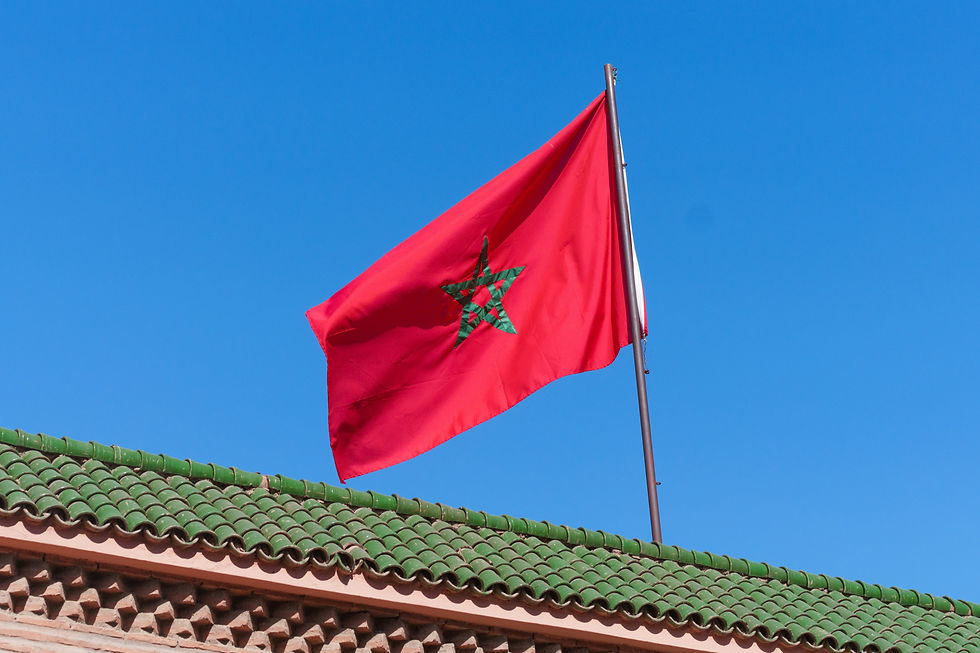
What is closed: All government offices, banks, and public schools. Official military parades and state ceremonies are held in the presence of His Majesty the King. Nationally broadcast speeches fill all television and radio channels.
What is open: Tourist sites generally remain open, though hours may be slightly adjusted. Hotels are fully operational. Most restaurants in the medina and new city are open. The Jemaa El Fna square transforms into something extraordinary.
Transportation: Trains and buses run, but expect reduced frequency. In Marrakech, the city fills with domestic tourists and Moroccans traveling from other regions to celebrate. Book intercity transport several days in advance.
Crowds: July 30 is busy. Not just with international tourists, but with Moroccans themselves. The Feast of the Throne is a genuinely popular celebration, and Marrakech draws internal visitors. Hotel rates, particularly at the luxury level, are elevated around this period.
This date is the same every year.
August 14 — Anniversary of the Recovery of Oued Ed-Dahab

What is closed: Government offices and banks.
What is open: Everything of tourist interest. This is one of the quieter national holidays in terms of street-level celebration. Tourist sites, restaurants, and medina shops are all open.
Transportation: Runs normally.
Crowds: August is high season. This holiday adds no special crowd surge. If anything, August is when many European tourists arrive en masse, particularly from France, Spain, and Italy.
The traveler's experience: A low-disruption holiday. August itself is the more relevant planning factor. The heat in Marrakech is intense (38 to 42°C is common), and the city fills with international visitors. If you prefer a quieter medina, late August is when many local Moroccan families are away at the coast, and you will find the tourist sites notably less packed than in spring.
This date is the same every year.
August 20 — Anniversary of the Revolution of the King and the People

What is closed: Government offices, banks, and schools.
What is open: Tourist sites, restaurants, riads, and medina shops. Some official ceremonies are broadcast on national television. The anniversary is observed with national speeches and commemorations, but public spaces remain lively.
Transportation: Runs normally.
Crowds: Same as the general August context. No special surge tied specifically to this holiday.
The traveler's experience: On August 20, 1953, France exiled King Mohammed V to Madagascar, expecting this would break the nationalist movement. It had the opposite effect. If you have a guide, ask about this day. The depth of historical feeling it evokes in Moroccans speaks volumes about the relationship between the Moroccan people and their monarchy, which is something no museum can teach you as powerfully as a conversation.
This date is the same every year.
August 21 — Youth Day (Fête de la Jeunesse)

What is closed: Government offices and banks. August 20 and 21 are often treated as a back-to-back national holiday period.
What is open: All tourist activity continues normally.
Transportation: Normal.
Crowds: August 20 and 21 together create a celebratory two-day national atmosphere. Youth cultural events and activities are organized across the country. The festive energy in the streets is noticeable without being disruptive to tourism.
The traveler's experience: A warm and joyful two days to be in Morocco.
This date is the same every year.
October 31 — Aid Al Wahda (Unity Day)

What is closed: Government offices and banks.
What is open: Everything of tourist interest. This is a very quietly observed national holiday with minimal street-level impact on visitors.
Transportation: Runs normally.
Crowds: October is a wonderful time to visit Morocco. The summer heat has broken. Temperatures are ideal (22 to 26°C in Marrakech). The tourist rush of spring and summer has eased. Hotels are slightly less expensive than peak spring or July. You will find the medina enjoyable to walk without feeling overwhelmed.
The traveler's experience: October is one of my personal top recommendations for first-time visitors who want to experience Morocco fully without fighting through peak-season crowds. Unity Day itself barely registers as a disruption.
This date is the same every year.
November 6 — Anniversary of the Green March (Marche Verte)

What is closed: Government offices, banks, and schools. Official ceremonies and national speeches are held.
What is open: Tourist sites, restaurants, and medina shops. This is one of the most emotionally resonant national holidays in Morocco, but it does not translate into major tourist disruption.
Transportation: Runs normally.
Crowds: November is a quiet and beautiful month in Morocco. Tourist numbers are lower than spring or summer, and this translates directly into shorter queues at palaces and museums, easier negotiations in the souks, and a more relaxed atmosphere throughout the medina.
The traveler's experience: On November 6, 1975, approximately 350,000 Moroccan civilians marched into the Moroccan Western Sahara in a peaceful demonstration of sovereignty. If you see flags flying and people watching the national broadcast, you are witnessing a moment that means something very deep to the Moroccan national identity. Ask your guide about the Green March. The answer will be one of the most meaningful conversations of your trip.
This date is the same every year.
November 18 — Independence Day (Fête de l'Indépendance)

What is closed: Government offices, banks, and schools. National parades and celebrations are held.
What is open: Tourist sites, restaurants, riads, and most medina shops.
Transportation: Runs normally.
Crowds: November 18 combined with November 6 creates a deeply patriotic fortnight in Morocco. The streets are quieter than peak season, making this one of the best combinations of authentic national atmosphere and comfortable touring conditions of the entire year.
The traveler's experience: November 18, 1956 marked the formal return of King Mohammed V from exile and Morocco's official independence. The combination of the Green March (November 6) and Independence Day (November 18) makes mid-November one of the most historically rich fortnights to be in Morocco.
This date is the same every year.
The Religious Holidays: The Sacred Calendar That Moves
This section requires the most careful reading, because these are the dates that most surprise and sometimes frustrate unprepared travelers, and they are also the dates that offer the most profound experiences of real Moroccan life.
All Islamic religious holidays follow the Hijri (lunar) calendar and shift approximately ten to eleven days earlier in the Gregorian calendar each year. The dates below are given for both 2026 and 2027. Because Morocco uses its own official moon-sighting committee, Morocco's dates may occasionally differ by one day from astronomical predictions. Always confirm through official Moroccan announcements as your travel date approaches.
Ramadan

2026: Morocco's Ministry of Islamic Affairs officially confirmed February 19, 2026 as the first day of Ramadan 1447. The holy month ends approximately March 20, 2026.
2027: Ramadan is expected to begin around February 8, 2027 and end around March 9 or 10, 2027, subject to official Moroccan moon sighting confirmation.
What changes during Ramadan:
This is the most comprehensive transformation Morocco undergoes all year. Let me be precise so there are no surprises.
During the day, from dawn until sunset, practicing Muslims fast entirely from food, drink, and smoking. The practical consequences for visitors are real and worth preparing for. Many local restaurants in the medinas close completely during the day, or open only with limited tourist menus. Street food vendors who normally animate the Jemaa El Fna are absent or reduced until Iftar. Cafés may be closed or serve only tourists. Some artisans and shopkeepers work shorter hours in the afternoon, when the fatigue of fasting is greatest. Government offices maintain working hours but operate at a slower pace.
Museums and major tourist sites (Bahia Palace, Badi Palace, Saadian Tombs, Majorelle Garden, the tanneries) remain open during Ramadan, generally on their normal schedules, though some may slightly reduce hours in the final days before Eid. It is always wise to confirm in advance with your guide.
Transportation runs throughout Ramadan, but the hour approaching Maghrib (sunset prayer and Iftar) is something to plan around. In the approximately thirty minutes before Iftar, Moroccan streets effectively empty as every family rushes home to break the fast. Roads can be both suddenly empty and then suddenly overwhelmed. If you are in a taxi or vehicle near sunset, you may find yourself in unusual traffic patterns. Build extra time into any journey around the Iftar hour.
After Iftar, everything changes. The medina comes alive in a way that nothing else in the Moroccan calendar replicates. Shops reopen. Families pour into the streets. The sweet smell of harira soup, chebakia, and msemen drifts through the alleys. The energy is joyful, communal, and deeply moving. Ramadan evenings in Marrakech are among the most beautiful experiences this city offers.
For tourists traveling during Ramadan: Eat and drink with discretion in public during the day, not out of legal obligation (tourists are not required to fast), but out of genuine cultural respect for your hosts. Book your hotel with in-house dining or ensure you know which tourist-oriented restaurants remain open for lunch. Your guide will know exactly where to take you. Do not panic. Do not consider canceling your trip. Ramadan Morocco is extraordinary for the traveler who goes in prepared and respectful.
Crowds and prices during Ramadan: Ramadan is not a peak tourist season. International arrivals are somewhat lower than spring peak. This translates to better hotel availability, more negotiating room in the souks, and a medina that feels genuinely Moroccan rather than tourist-oriented. For the experienced traveler who does not need everything to be maximally convenient, Ramadan is one of the most authentic and affordable times to visit.
Eid Al-Fitr — The Feast of Fast-Breaking

2027: Eid Al-Fitr is expected around March 10 or 11, 2027, subject to official Moroccan moon sighting confirmation.
What is closed: All government offices, banks, schools, and a very large proportion of medina shops and souks close on Eid day itself, and often for the day after. Many Moroccan businesses take Eid as a full family holiday of two to three days.
What is open: Major tourist sites typically reopen by late morning or early afternoon on Eid day. Hotels and riads are fully operational. Some tourist-oriented restaurants open for dinner on Eid evening. By the second day after Eid, the medina progressively reopens.
Transportation: On Eid morning itself, public transport is reduced. Families are at home or at the mosque. If you need to travel between cities on Eid day, book your tickets days in advance and be prepared for limited options in the morning. By afternoon, services begin to normalize.
Crowds: Eid Al-Fitr does not bring large tourist crowds, but it does bring large Moroccan family celebrations. The streets are not busy with commerce. They are busy with people visiting family, wearing new clothes, and carrying sweets between households.
The traveler's experience: On Eid morning, Moroccan men gather at mosques and in open-air prayer spaces in enormous, beautiful congregations. The sight of thousands of worshippers dressed in pristine white or cream djellabas, praying in the streets and open squares, is genuinely moving. It is not a spectacle organized for observers. It is a sacred community moment. Witness it from a respectful distance. Then walk through the medina as it slowly awakens into celebration. If you are invited into a Moroccan home for Eid sweets, ghoriba cookies, briouat pastries, chebakia, or sellou, accept immediately and gratefully.
Eid Al-Adha — The Festival of Sacrifice

This is the holiday that surprises tourists most, and I want to be very direct with you about what to expect, because this is also the most important holiday in the Moroccan family calendar.
2026: Eid Al-Adha falls on May 27, 2026. The days of May 26, 27, and 28 should all be treated as a period of significantly reduced tourist services.
2027: Eid Al-Adha is expected around May 17, 2027, subject to official Moroccan moon sighting confirmation. Plan the surrounding days of approximately May 16, 17, and 18 with the same care.
What is closed: Virtually everything for two to three days. This is not an exaggeration. Government offices, banks, schools, most shops in the medina, most restaurants including tourist-oriented ones, transport ticket offices, many hammams, and the majority of tourist-facing services operate at severely reduced capacity on Eid Al-Adha day and the day after. Even guides, including myself, are typically with their families on Eid day. The country genuinely pauses.
What remains open: Major tourist sites may open on a reduced schedule on the day after Eid. Hotels and riads are fully operational and staff will be present. Some hotel restaurants will serve guests even on Eid day. A small number of tourist-oriented restaurants in the new city (Gueliz) typically remain open. Your hotel or riad management will be your most important resource for navigating the Eid Al-Adha days.
Transportation: In the days leading up to Eid Al-Adha, Morocco's trains, buses, and shared taxis are absolutely packed as millions of Moroccans travel home to their families. Book all transport for the three to four days before Eid Al-Adha as early as possible, ideally weeks in advance. On Eid day itself, intercity transport is minimal. Domestic flights run but with adjusted schedules. By the second or third day after Eid, transport normalizes progressively.
Crowds and prices: If you are looking for the quietest and most affordable time to be in Morocco, the days immediately after Eid Al-Adha are among the very best. The medina is calm. Shopkeepers return to work gradually and are relaxed and unhurried. Prices in the souks are often easier to negotiate in the Eid aftermath. Hotels are not full.
The traveler's experience: If you are in Morocco on Eid Al-Adha, stay in your accommodation on the morning of the holiday itself. Do not expect to tour normally. Do not arrive expecting a full tourist itinerary. But also do not leave. The generosity of Moroccan families during this period is without parallel. If your guide, your riad manager, or any Moroccan you have befriended invites you to share an Eid meal, there is no more honest, generous, or authentic welcome Morocco can extend to you. Sit down. Eat. This is the real thing.
Hijra New Year — Islamic New Year (1st of Muharram)

2026: The Islamic New Year for 1448 AH is expected in approximately late June 2026, subject to official Moroccan moon sighting confirmation.
2027: The Islamic New Year for 1449 AH is expected around June 6, 2027, subject to official Moroccan moon sighting confirmation.
What is closed: Government offices, banks, and schools.
What is open: Tourist sites, restaurants, and medina shops are largely unaffected. This is a reflective holiday rather than a festive one. Families may attend mosque and spend time at home, but the street-level impact on tourists is minimal.
Transportation: Runs normally with minor schedule adjustments.
The traveler's experience: A quiet, contemplative day. The Islamic New Year is not celebrated with fireworks or street parties. It is a moment of intention and reflection. You may not even notice it happening around you unless you are looking.
Eid Al-Mawlid Annabawi — Birthday of the Prophet Muhammad (12th of Rabi' Al-Awwal)

2026: Mawlid is expected in approximately September 2026, subject to official Moroccan moon sighting confirmation.
2027: Mawlid is expected around August 15, 2027, subject to official Moroccan moon sighting confirmation.
What is closed: Government offices, banks, and schools. Many local shops in the medina close for part or all of the day.
What is open: Major tourist sites generally remain open or reopen by late morning. Hotels and riads are fully operational.
Transportation: Runs with some reductions. Intercity travel is possible but with slightly adjusted schedules.
Crowds: Mawlid brings a spiritual rather than commercial density to Moroccan cities. Mosques fill. Zaouias (Sufi lodges) host devotional gatherings with Quranic recitation and madih, the devotional songs sung in honor of the Prophet. In Marrakech, the Mawlid is associated with the Moussem of the Seven Saints, the sacred circuit of visits to the seven patron saints of the city, a living tradition that has continued for centuries.
The traveler's experience: Mawlid in Marrakech is one of the most spiritually atmospheric events in the entire Moroccan calendar. The fragrance of incense and rose water drifts through the medina. His Majesty the King presides over a grand national ceremony attended by religious scholars, ambassadors, and dignitaries. The city glows with a particular warmth and reverence. If you are here, ask your guide to take you through the circuit of the Seven Saints at dusk. This is not a tourist circuit. It is a living act of devotion that will stay with you long after you leave Morocco.
The Complete Month-by-Month Travel Guide
Now that you understand every holiday individually, let me walk you through the full year the way I experience it, so you can choose your moment.
January — Winter Light, Low Crowds, and the Best Value of the Year
January is one of my favorite months to guide visitors. Marrakech is cool and luminous. The High Atlas Mountains, visible from the city's rooftops on clear days, are snow-capped. The medina moves at a gentler pace, with fewer tourists than spring or autumn but all the beauty intact.
January 1 brings the Gregorian New Year with a day of quiet closures. January 11 brings the Independence Manifesto anniversary, a low-disruption national holiday. January 14 brings Yennayer, the Amazigh New Year, with its quiet, genuine festivities. In 2027, Ramadan begins on approximately February 8, so a January visit gives you the full peace of the country before the holy month begins.
Museums and sites: Open and uncrowded. January is one of the best months to visit the Bahia Palace, the Badi Palace, and the Saadian Tombs without shoulder-to-shoulder crowds.
Restaurants: All operating normally. Reservations are easy to get even at popular riads.
Transportation: Fully operational. Trains and buses run without significant delay.
Crowds: Low to moderate. Marrakech has a steady trickle of European winter-sun tourists in January, but nothing resembling peak season. You will move freely through the souks.
Prices: January is one of the most affordable months for flights and hotels to Morocco.
Weather: Daytime 15 to 18°C, evenings can drop to 5°C or below. Bring warm layers for night.
February — Almond Blossoms and the Beginning of Ramadan
Early February sees almond blossoms appear in the valleys around Ouarzazate and in the High Atlas. The Draa Valley landscape turns pale and golden. It is a photographer's paradise.
In both 2026 and 2027, Ramadan begins in February: around February 19 in 2026 and around February 8 in 2027. From whichever date Ramadan begins, refer to the full Ramadan section above.
Museums and sites: Open throughout February, including during Ramadan, generally on their normal schedules.
Restaurants: In early February, fully normal. Once Ramadan begins, daytime restaurant availability changes significantly (see Ramadan section above).
Transportation: Normal in early February. During Ramadan, plan around the Iftar hour near sunset.
Crowds: Low in early February, making it one of the most peaceful times to visit. During Ramadan, international tourist numbers decrease slightly, meaning better availability and slightly lower prices at hotels.
Prices: Low to moderate. Good value for flights and accommodation.
Weather: 14 to 18°C in Marrakech. Cool and pleasant for walking. Evenings are cold.
March — Ramadan Continues, Then Eid Al-Fitr
In 2026, almost the entirety of March falls within Ramadan, which ends around March 20 and transitions into Eid Al-Fitr on March 21, with an exceptional additional public holiday on March 23. In 2027, Ramadan ends around March 9 or 10, and Eid Al-Fitr falls around March 10 or 11, meaning the rest of March 2027 is entirely post-Eid and fully open for tourism.
Museums and sites: Open throughout Ramadan, generally on normal schedules. May have reduced hours in the final days before Eid. Closed or significantly reduced on Eid day itself, then reopening progressively.
Restaurants: Reduced daytime availability during Ramadan. Spectacular evening atmosphere post-Iftar. Fully normalized after Eid.
Transportation: Plan Eid travel well in advance. The days around Eid see significant domestic movement across Morocco.
Crowds: Lower than peak spring season during Ramadan. After Eid, a wonderful calm settles over the country and visitor numbers begin to build toward spring.
Prices: March in Morocco offers better value than April or May. The combination of Ramadan and the post-Eid period makes this a genuinely affordable time to visit.
Weather: Warming through the month. 18 to 23°C by late March. Spring is arriving.
April — The Perfect Month
April is, in my honest opinion, the finest month to visit Morocco for a first-time visitor. Eid Al-Fitr is behind us and its warmth lingers in the atmosphere. Temperatures are ideal, typically 22 to 26°C in Marrakech. The Palmeraie is lush. The mountains are still accessible before summer's dry heat. The Dadès Valley roses approach their peak.
There are no major religious or national holidays in April. It is the most uninterrupted month of the year for tourism.
Museums and sites: Fully open, well-staffed, and operating on normal schedules.
Restaurants: Fully open and operating normally. Reservations at popular spots fill quickly. Book ahead.
Transportation: Excellent. No holiday disruptions. Trains and buses running on full schedules.
Crowds: April is peak season. Marrakech is busy. The Jemaa El Fna is dense with visitors. The major tourist sites have queues. This is the most popular month for European tourists to visit Morocco.
Prices: The highest of the year for flights and hotels. Book accommodation three to six months in advance for April travel.
Weather: Warm days, cool nights. Ideal for medina walking, mountain day trips, and desert excursions.
May — Roses, Building Heat, and Eid Al-Adha
The Dadès Valley Rose Festival typically takes place in early May, celebrating the annual harvest of damask roses used in rose water and essential oil production. The Atlas Mountains are lush and accessible. May 1 is Labour Day, a national holiday with minimal tourist disruption.
The defining planning challenge of May is Eid Al-Adha: May 27 in 2026 and approximately May 17 in 2027. The three days around these dates should be treated as a period of reduced tourist services in both years. Read the Eid Al-Adha section above very carefully if you are visiting Morocco in late May.
Museums and sites: Open normally in early and mid-May. Closed or significantly reduced around the Eid Al-Adha dates (May 27 in 2026, approximately May 17 in 2027).
Restaurants: Normal for most of May. Significantly reduced around Eid Al-Adha. Hotel restaurants are your best option on Eid day itself.
Transportation: Book all intercity transport for the four to five days before Eid Al-Adha as early as possible. These days see massive domestic travel volumes across Morocco.
Crowds: May is still peak season. Eid Al-Adha week brings high domestic travel but a rapid quiet in tourist-facing services.
Prices: High season until Eid Al-Adha. After the Eid holiday period, prices begin to soften slightly as June approaches.
Weather: 28 to 33°C. Heat is building. Evenings remain pleasant.
June — Before the Real Heat, and the Islamic New Year
Early June is very pleasant for travel. The Agafay Desert (a stone desert plateau forty minutes from Marrakech) is spectacular at sunset. The Palmeraie is green. The High Atlas is fully accessible. By mid to late June, Marrakech's summer heat begins to assert itself.
The Islamic New Year falls in approximately late June 2026, and around June 6, 2027, in both cases a quiet one-day holiday with minimal tourist impact.
Museums and sites: Fully open and operating normally.
Restaurants: Fully open. June is a pleasant time to eat on rooftop terraces before the July heat peaks.
Transportation: Normal and uncrowded.
Crowds: Moderate. June sees fewer visitors than April or May, meaning better medina access and less competition for guides and restaurants.
Prices: Moderate. Good value compared to April and the upcoming July Throne celebrations.
Weather: 30 to 35°C by late June. Early mornings and evenings are lovely. Midday heat requires rest.
July — Intense Heat, the Feast of the Throne on July 30
July in Marrakech is hot. Temperatures reach 38 to 42°C in the medina. This deters many international tourists, which means those who come find shorter queues at the palaces, more attentive service in the souks, and a city that belongs largely to Moroccans.
July 30 is the Feast of the Throne, one of the great national celebrations. See the detailed section above. This date is the same every year.
Museums and sites: Open on normal schedules. Noticeably less crowded than spring. On July 30 itself, some outdoor sites may close early for national events, but typically reopen in the afternoon or evening.
Restaurants: Fully operational. Evening dining on rooftops is the July ritual.
Transportation: Normal for most of July. Around July 28 to 31, domestic travel increases as Moroccans move around for Throne celebrations. Book intercity transport a few days ahead.
Crowds: Low international tourist numbers. High Moroccan domestic tourism around July 30.
Prices: July is shoulder season for international tourists, meaning hotel and flight prices are lower than April. An excellent value moment if you can handle the heat.
Weather: 38 to 42°C. All outdoor touring should be planned for before 10am and after 6pm.
August — Peak Heat, Three National Holidays, Moussem Season
August brings three national holidays (August 14, 20, and 21) in rapid succession, all low-disruption for tourists. The real planning consideration for August is the combination of peak heat and the Moussem (festival-pilgrimage) season, which reaches its height between August and October.
In 2027, Mawlid (Birthday of the Prophet) is expected around August 15, which means late August 2027 will carry a particularly spiritual atmosphere in the medinas.
Museums and sites: Open and operating. August crowds at tourist sites are international but not as heavy as April.
Restaurants: Fully operational. Around Mawlid in 2027, some local restaurants in the medina may close for part of the day.
Transportation: Normal. Slightly elevated domestic travel around August 20 to 21.
Crowds: International tourists arrive in high numbers in August, particularly from France, Spain, and Italy. The medina is busy. Book accommodation well in advance.
Prices: High for international tourists. Summer holidays from Europe drive demand.
Weather: 38 to 42°C. The most intense heat of the year. This is hammam, riad pool, and evening-only-outdoor-activity territory.
September — The Return of Perfect Conditions
September is the second great month of the Moroccan travel calendar, rivaling April in the quality of the experience it offers. The summer heat breaks progressively through the month. The light turns golden and rich. Saffron harvest begins in the Taliouine region of the High Atlas. Date palms in the Draa and Ziz Valleys are golden with fruit.
Mawlid (Birthday of the Prophet) is expected in approximately September 2026 (exact date subject to moon sighting confirmation). See the detailed Mawlid section above for what this means for your visit.
Museums and sites: Fully open. September sees a rebound of visitors after August, but is still less crowded than April.
Restaurants: Fully operational. Rooftop dining becomes comfortable again in the evenings.
Transportation: Normal and reliable.
Crowds: Growing through September as the summer heat retreats. Still more manageable than peak spring season.
Prices: Moderate and beginning to rise as October approaches.
Weather: 30 to 36°C in early September, cooling to a beautiful 24 to 28°C by late September. One of the most pleasant travel climates in Morocco's year.
October — Saffron Harvest, Ideal Temperatures, Best Value for Autumn
October is saffron harvest season in Taliouine and Taznakht, making Morocco's southern High Atlas region extraordinarily beautiful and fragrant. The Draa Valley date harvest continues. Temperatures are ideal throughout the month.
October 31 is Unity Day (Aid Al Wahda), a quiet national holiday with no significant tourist disruption. This date is the same every year.
Museums and sites: Fully open and increasingly well-attended as autumn visitors arrive.
Restaurants: Fully operational.
Transportation: Normal and comfortable.
Crowds: Moderate and building toward the second autumn peak. Less crowded than November in most years.
Prices: Moderate. Very good value compared to April peak.
Weather: 22 to 27°C. Jacket needed in the evenings. Absolutely ideal for all-day medina walking, Atlas trekking, and southern circuit touring.
November — History, Quiet Beauty, and Two Great National Days
November opens with Morocco's most patriotic fortnight. November 6 is the Green March anniversary and November 18 is Independence Day. Both carry deep national feeling and neither creates significant tourist disruption. These dates are the same every year.
Museums and sites: Fully open. November is when local Moroccan visitors come out on weekends, giving a wonderful authentic energy to the medina.
Restaurants: Fully open.
Transportation: Normal.
Crowds: Noticeably lower than peak seasons. This is one of the best months to experience Morocco without ever feeling that you are in a tourist conveyor belt.
Prices: Moderate to low. November represents some of the best value for quality accommodation and flights in the second half of the year.
Weather: 18 to 23°C. Occasional rain is possible but uncommon. Light jacket in the evenings. Near-perfect conditions for walking.
December — Winter Magic, Cultural Events, and a Beautiful Return to Quiet
December brings the Marrakech International Film Festival (exact dates vary year to year) which draws an international and glamorous crowd to the city for one week. Outside of that week, December is quiet, beautiful, and affordable.
The souks fill with artisans preparing for the season. The Atlas Mountains return to their snow-capped splendor. Christmas and New Year travelers from northern Europe increasingly choose Marrakech as a warm winter escape.
Museums and sites: Fully open and uncrowded for most of December. Slightly busier around the Film Festival week and Christmas to New Year.
Restaurants: Fully open. Some increase holiday menus and special event dinners around Christmas week, which are worth booking in advance.
Transportation: Normal for most of December. Significantly busier for flights and trains around December 23 to January 2, when holiday travelers move. Book this period well in advance.
Crowds: Low for most of December. The Film Festival week brings a specific crowd but does not overwhelm the city. The Christmas to New Year period sees a spike in international visitors.
Prices: Moderate for most of December. A spike occurs around December 27 to January 2.
Weather: 15 to 19°C in the day, cold nights (5 to 8°C). Perfect for all-day medina exploration. Pack a warm coat for evenings.
The One Practical Piece of Advice That Ties All of This Together
Every tourist asks me: "Abdellatif, when is the best time to come?" And my answer is always the same. There is no universally best time. There is only the right time for who you are.
If you want the most comfortable weather, the widest choice of open restaurants, and the fullest operational tourism infrastructure, come in April or September to October.
If you want the most authentic Morocco, the fewest crowds, the most affordable prices, and experiences that money cannot buy, plan around the religious calendar. Come during Ramadan evenings. Come for the days after Eid Al-Fitr. Come for Mawlid. Come for the Moussem season. Accept that some things will be closed during the day. Accept that you will have to adjust. What opens in return is Morocco's actual heart.
If you are flexible and curious and open, there is no bad time to come. There is only more or less preparation required.

If after reading this guide you still have questions about your trip, or you are ready to start putting something together, I would love to hear from you. Every message I receive, I answer personally.
WhatsApp or call: +212 661 240 446
Email: latifguide@gmail.com
Book a tour: privateguidemarrakech.com


Comments